1 min read
Preventing Peer-to-Peer Abuse
The Associated Press recently released an article chronicling the mishandling of peer-to-peer abuse in schools across the country. The following...
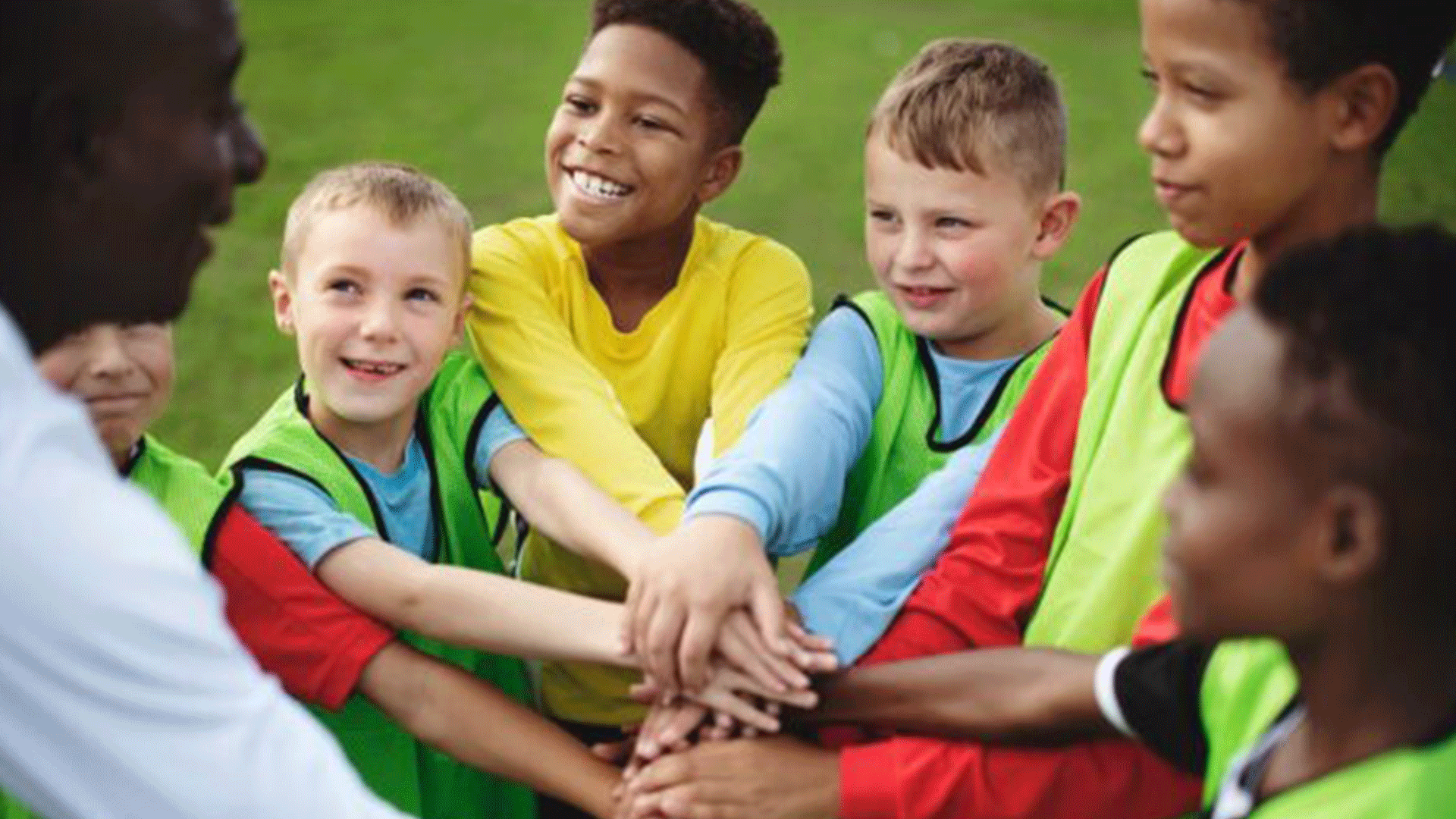
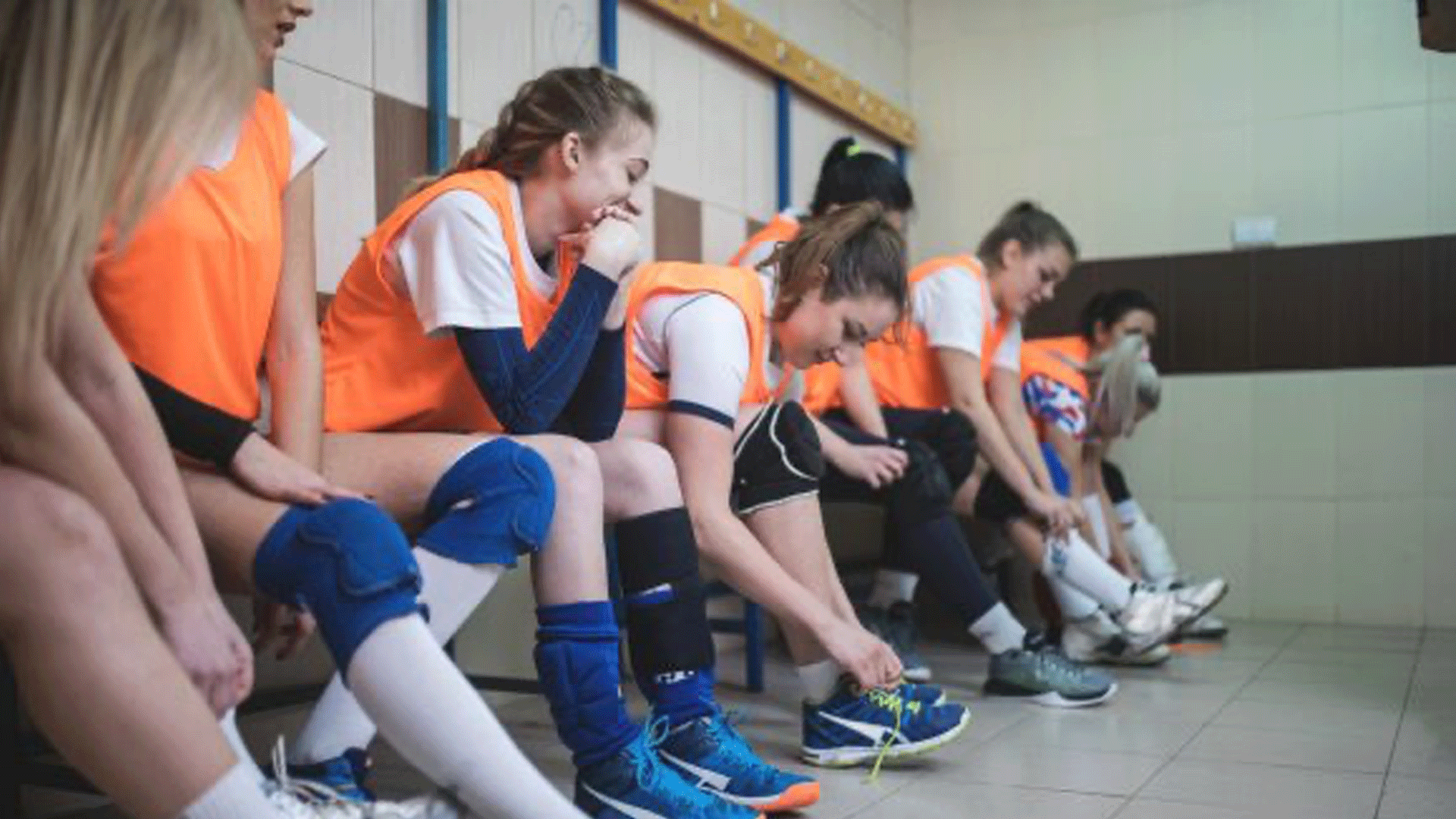
What do bathrooms, field trips, aquatic activities, transition periods and free-play have in common?
They are all associated with high-risk. While some high-risk locations and activities can’t be avoided, it is important for your staff to know how to monitor and supervise these settings to make them as safe as possible for your youth.
The first step to preventing abuse in these situations is locating the high-risk locations and recognizing the high-risk activities youth participate in at your organization. Examples:
After identifying the high-risk locations and activities within your organization, create procedures and guidelines to maintain a safe environment.
Here are just a few example guidelines that can help keep youth safe:
Relay the guidelines you create to staff and set clear expectations that the goal is to keep youth safe. Staff may forget to enforce rules or become complacent on the job, so it is important to assess staff’s skills and monitor their performance as they work. One way to ensure that staff follow guidelines is to create a monitoring plan that requires staff to sign in at their assigned area and to document activities while they are on duty.
1 min read
The Associated Press recently released an article chronicling the mishandling of peer-to-peer abuse in schools across the country. The following...
3 min read
Youth of all ages often spend most of their time throughout the week at school and in school activities such as music programs, sports programs,...

2 min read
We live in a digital generation and the constant evolution of technology can present unique adult-to-youth and youth-to-youth abuse risks. Being...