1 min read

Monitoring & Supervision – Using Cameras In Your Facility

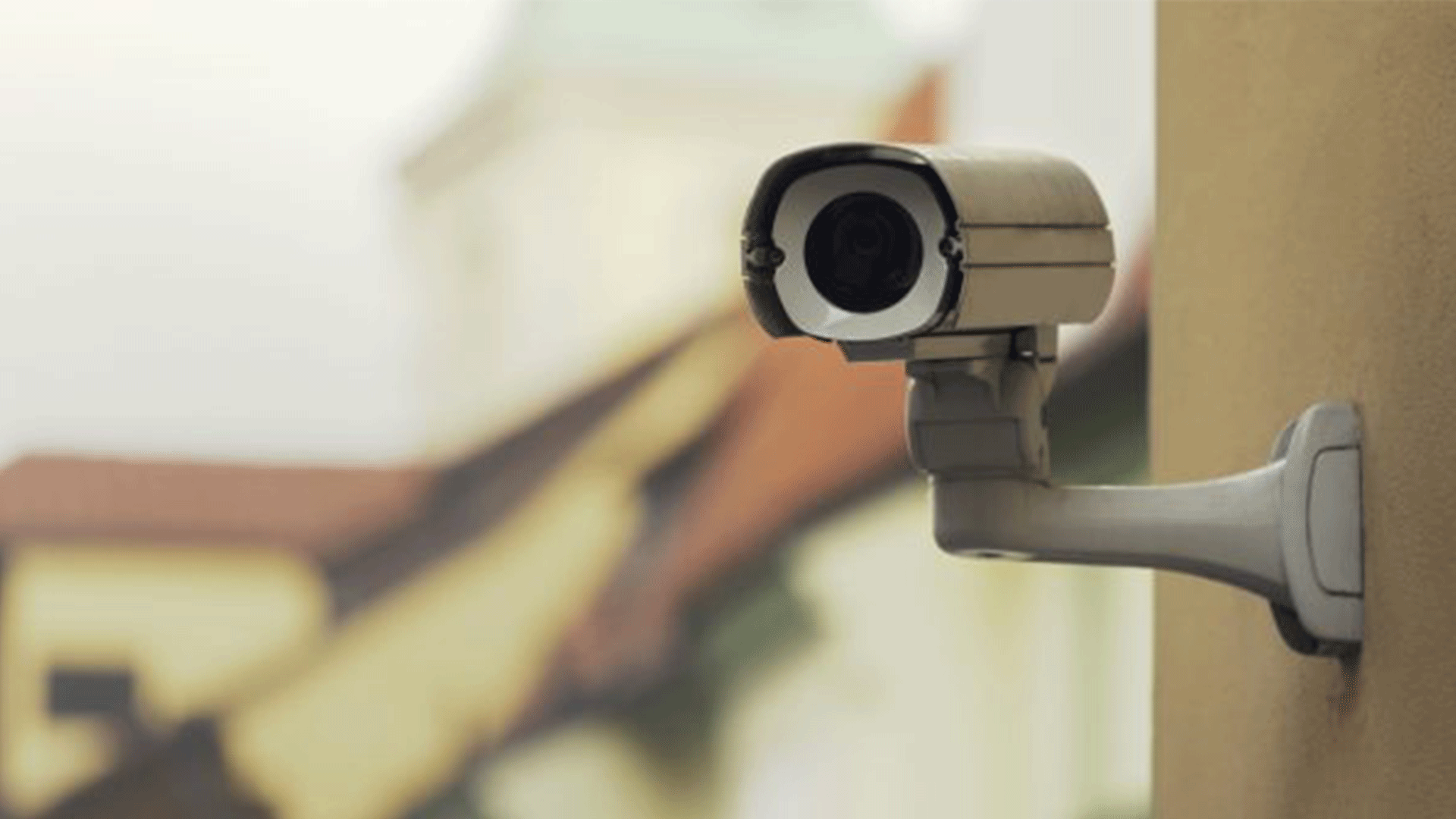
Monitoring and supervision can be broken down into four concepts: monitoring staff, monitoring consumers, monitoring high-risk activities, and monitoring your facilities. Through our experience, there is one piece of technology that organizations sometimes think is the monitoring solution for all four concepts: video cameras.

Video cameras are a great documentation and verification tool. Installing cameras in common areas like hallways, outside of locker rooms and bathrooms, and in heavy-traffic areas can help promote a sense of safety and security in your organization. If you receive a report, you can look back at your video footage to see exactly when something happened, where it happened, and if there are other people who saw something happen. If you receive an allegation, video footage can also be helpful for the authorities when they investigate incidents.

While video cameras can be highly useful documentation tools, they should not be a substitute for supervision in your programs. In our experience, the most effective monitoring and supervision is accomplished by well-trained staff and supervisors who are committed to providing a safe environment for their consumers.

If your organization includes video cameras as part of your monitoring and supervision strategy, we recommend implementing the following best practices for using video cameras to assist you in monitoring and supervision:

  1. Utilize camera footage to retroactively review actions rather than as a sole measure to prevent incidents from happening;
  2. Continue to require program supervisors and other staff to frequently walk through the facility to monitor staff, consumers, and activities;
  3. Review camera footage regularly. Examples of what to look for include red flag behaviors, policy violations, inappropriate youth-to-youth interactions, and staff who are out of ratio;
  4. Ensure all individuals who review camera footage have completed training on how to review and utilize camera footage for monitoring; and
  5. Periodically evaluate the placement of cameras to ensure they capture high-risk areas in the facility (such as hallways outside of bathrooms, secluded areas, stairwells, out of the way places, and other high-risk locations).

1 min read

Preventing Peer-to-Peer Abuse

The Associated Press recently released an article chronicling the mishandling of peer-to-peer abuse in schools across the country. The following...

Read More

2 min read

Staying Safe on Social Media

We live in a digital generation and the constant evolution of technology can present unique adult-to-youth and youth-to-youth abuse risks. Being...
Read More

1 min read

Why Cameras Alone Aren’t Enough: The Reality of Effective Risk Management

Myth: “We’re not worried about that space because we have a camera there.” Busted: Cameras are a valuable risk management tool when used...

Read More